Maximizing Efficiency: Exploring 4 Types of Supply Chain Automation

How automation across warehouse, inventory, back-office, and logistics drives efficiency and cost savings

Siddharth Satpute
Siddharth Satpute
Sr. Vice President & Head - Industry Solutions Group, Mindsprint
Published
December 1, 2024
Read time
6min
Updated
December 1, 2024

Article Summary

  • Supply chain automation is essential for improving efficiency, accuracy, and productivity in modern businesses.

  • Warehouse automation enhances operations using robotics and automated systems for faster and error-free processing.

  • Inventory automation ensures real-time tracking, reducing stockouts and excess inventory.

  • Back-office automation streamlines administrative tasks, improving accuracy and freeing resources for strategic work.

  • Transport and logistics automation optimizes delivery, reduces costs, and improves visibility across the supply chain.


In this article

    Mindsprint

    Optimize Your Supply Chain with Automation

    Connect with our experts to streamline operations, reduce costs, and build an intelligent, automated supply chain.

    Book a Demo

    In today's competitive business landscape, supply chain automation has become imperative for maximizing efficiency across various facets of operations. From warehouse automation, which optimizes storage and movement of goods using advanced technology like robotic pickers and conveyors, to inventory automation, simplifying stock management through software and precision tracking, these automations streamline processes, reduce errors, and enhance productivity. Back-office automation further enhances efficiency by automating administrative tasks, minimizing manual errors, and enabling better resource allocation. Meanwhile, transport and logistics automation optimizes delivery networks, reduces delivery times, and enhances supply chain visibility using technologies like GPS tracking and route optimization software. Embracing these automation technologies is crucial for organizations to stay competitive, achieve cost savings, and deliver superior customer service in today's dynamic market environment.

    Maximizing Efficiency: Exploring 4 Types of Supply Chain Automation

    1. Warehouse Automation: Streamlining Operations for Enhanced Productivity

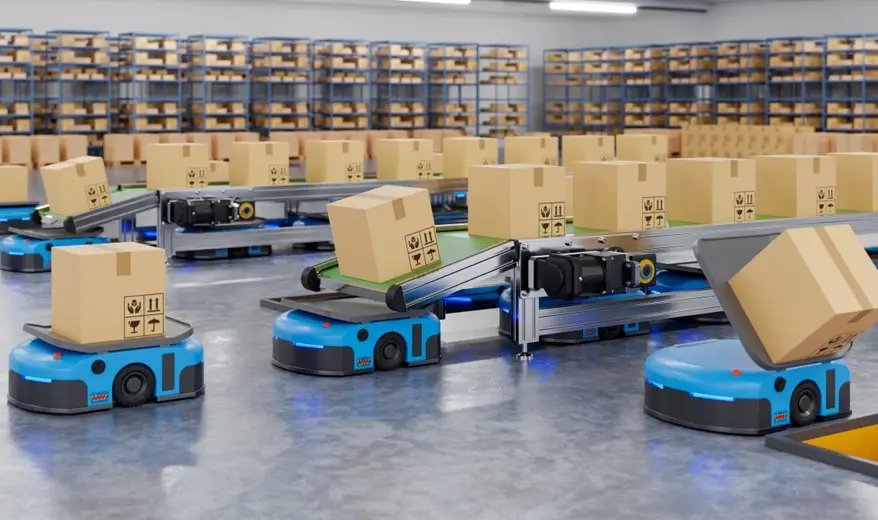
      Warehouse automation utilizes cutting-edge technology to optimize storage, retrieval, and movement of goods within a facility. Automated systems such as robotic pickers and conveyors help in reducing human error and increasing efficiency. By automating warehouse processes, businesses can significantly enhance their operational capacity and meet consumer demands swiftly.

    2. Inventory Automation: Simplifying Stock Management with Precision

      Inventory automation involves the use of software and technology to monitor stock levels, track inventory movements, and streamline order fulfillment processes. By implementing automated inventory systems, companies can prevent stockouts, minimize excess inventory, and improve overall inventory accuracy. This ensures seamless operations and improved customer satisfaction.
      Exploring 4 Types of Supply Chain Automation Image One

    3. Back-Office Automation: Enhancing Administrative Functions for Seamless Operations

      Back-office automation focuses on automating administrative tasks such as data entry, invoicing, and document management. By leveraging automation tools, organizations can eliminate manual errors, reduce processing times, and enhance overall efficiency. Automated back-office processes enable employees to focus on strategic tasks, leading to increased productivity and better decision-making.

    4. Transport & Logistics Automation: Optimizing Delivery and Distribution Networks

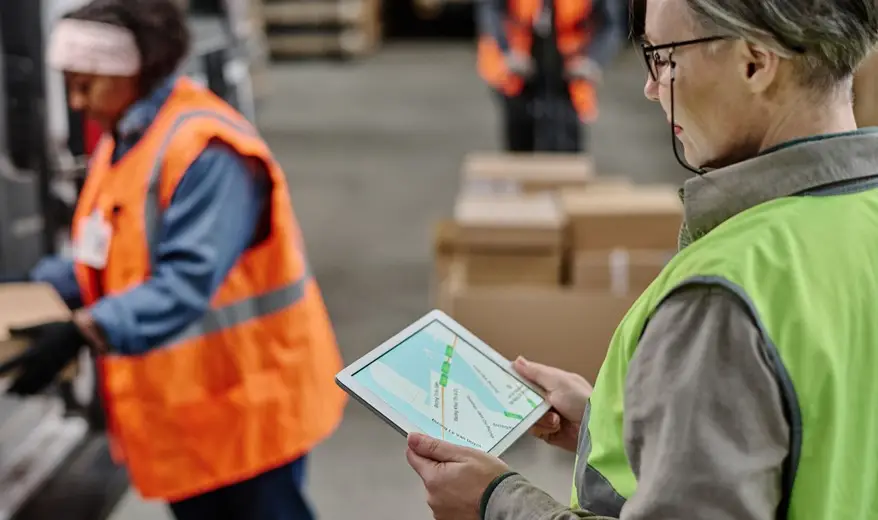
      Transport and logistics automation involve the use of technology to streamline transportation operations, optimize route planning, and enhance delivery tracking. Automated systems like GPS tracking and route optimization software help in reducing delivery times, minimizing fuel consumption, and improving overall supply chain visibility. By automating transport and logistics processes, companies can achieve cost savings and enhance customer satisfaction.

    Exploring 4 Types of Supply Chain Automation Image Two

    In conclusion, supply chain automation plays a crucial role in modernizing and optimizing business operations. By leveraging warehouse automation, inventory automation, back-office automation, and transport and logistics automation, organizations can achieve heightened efficiency, cost savings, and improved customer service. Embracing automation technologies is key to staying competitive in today's fast-paced business environment.

    Share
    FAQ

    Frequently Asked Questions

    What is supply chain automation?

    It refers to using technology to automate processes across supply chain operations to improve efficiency and accuracy.

    What are the types of supply chain automation?

    Warehouse, inventory, back-office, and transport & logistics automation.

    How does warehouse automation help businesses?

    It improves speed, reduces errors, and increases operational efficiency.

    Why is inventory automation important?

    It ensures accurate stock tracking and prevents stockouts or overstocking.

    What is logistics automation?

    It involves optimizing transportation, routing, and delivery tracking using technology.

    What are the benefits of supply chain automation?

    Cost savings, improved efficiency, better visibility, and enhanced customer satisfaction.

    Still have questions?

    Email us and our AP automation experts will get back to you shortly.

    Email Icon
    Send Email

    What is supply chain automation?

    It refers to using technology to automate processes across supply chain operations to improve efficiency and accuracy.

    What are the types of supply chain automation?

    Warehouse, inventory, back-office, and transport & logistics automation.

    How does warehouse automation help businesses?

    It improves speed, reduces errors, and increases operational efficiency.

    Why is inventory automation important?

    It ensures accurate stock tracking and prevents stockouts or overstocking.

    What is logistics automation?

    It involves optimizing transportation, routing, and delivery tracking using technology.

    What are the benefits of supply chain automation?

    Cost savings, improved efficiency, better visibility, and enhanced customer satisfaction.

    See What’s Possible

    Explore how we help businesses innovate, optimize operations, and accelerate growth with digital and AI-driven solutions.

    Mindsprint exists to responsibly engineer the next generation of enterprises, driven by insight, innovation, and passion. With a proven track record spanning two decades, we are the partner of choice for high-impact, AI-driven technology solutions for clients across the globe in industries such as retail, agriculture, manufacturing, healthcare, and life sciences among others.
    Our offerings include enterprise technology applications, business process services, cybersecurity solutions, and automation-as-a-service, delivered with a strong commitment to responsible innovation.
    Headquartered in Singapore, Mindsprint has a global workforce of 3,200+ professionals across the US, UK, Middle East, India, Australia, and Africa.

    Choose your innovation pathway, be it digital transformation strategy, IT consulting services, intelligent enterprise operations, cybersecurity, or the latest technology trends. Let us start a conversation. Let our minds sprint towards true digital transformation

    Get in touch